
The ownership history matters as much as the object.
Ancient objects can carry extraordinary human stories. They can also carry title disputes, unlawful export histories, modern restoration, counterfeit surfaces and active conservation problems. Start with provenance, law and documentation before price.
PROVENANCE
Object. Origin. Export. Ownership. Verification.
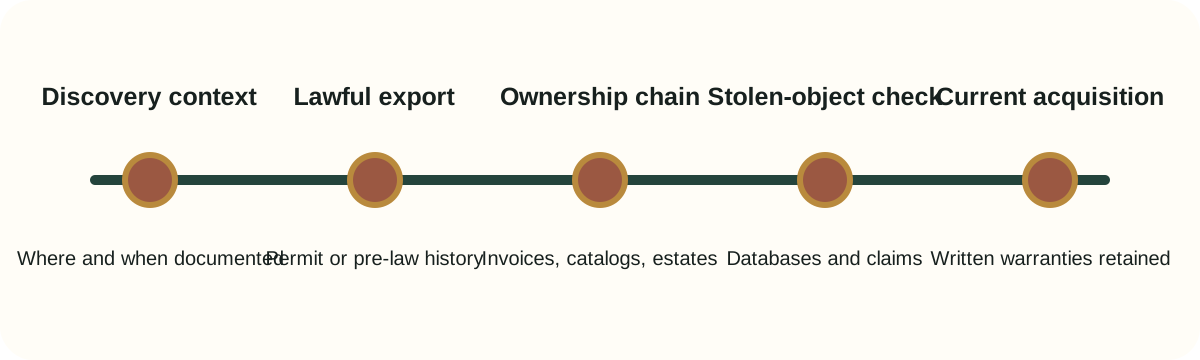
Build the provenance file
Record owners, dates, invoices, auction catalogs, publications, permits and correspondence.
Research lawful export
Source-country law, object type and export date can all affect the analysis.
Check stolen-object systems
Search international and national databases and retain dated records.
Assess authenticity risk
Tool marks, artificial patina, mismatched repairs and fabricated provenance require specialists.
Identify the object before applying a market label.
Pottery and vessels
Fabric, firing, form, slip, decoration, repairs and archaeological context.
Ancient coins
Mint, ruler, denomination, surfaces, provenance and country-specific restrictions.
Jewelry and adornment
Gold, silver, bronze, beads, intaglios, repairs and burial-context concerns.
Ancient glass
Form, iridescence, weathering, cracks, restoration and handling risk.
Sculpture and figurines
Stone, terracotta, bronze, fragments, restoration and monument removal concerns.
Tablets and inscriptions
Language, script, transliteration, context, fragments and forgery risk.
Seals and intaglios
Material, engraving, impressions, mountings and modern recutting.
Oil lamps
Molds, fabric, motifs, soot, repairs and replica comparison.
Modern borders and cultural-property laws matter.
Ancient Egypt
Funerary material, amulets, shabtis, pottery and high looting sensitivity.
Ancient Greece
Pottery, terracottas, bronze, sculpture, coins and regional production.
Ancient Rome
Domestic objects, glass, lamps, sculpture, coins and provincial variation.
Ancient Near East
Tablets, cylinder seals, figurines and conflict-zone trafficking concerns.
Byzantine
Coins, crosses, seals, glass, ceramics and religious objects.
Pre-Columbian Americas
Pottery, textiles, stone, metal and strong national patrimony protections.
East Asia
Bronzes, ceramics, jade, tomb material and export-law research.
African antiquities
Archaeological objects, terracottas, metalwork and community heritage.
Five views, with provenance before price.
Current objects with ownership history
Use listings to study descriptions and documentation. Verify every claim independently.
Documented examplesComparable transactions
Match object type, culture, material, condition and provenance quality.
Completed salesLearn modern manufacturing clues
Legal replicas are valuable comparison objects and safer display alternatives.
ReplicasBuild the research shelf
Specialist catalogs and museum publications often outperform generic price guides.
Books and catalogsUse reversible, inert storage
Stands, boxes and supports should fit the material and conservation plan.
Storage and displayeBay links use campaign 5339137014 and custom ID ancientartifacts. A marketplace listing, certificate or seller statement does not establish authenticity, lawful export or good title.
Measure documentation gaps before buying.
Screen discovery context, export history, ownership chain, publications, databases and warranties.
Open provenance toolDo not separate artifacts from old paperwork.
Photograph boxes, labels, receipts and display arrangements before moving or cleaning anything.
Read the estate guide